
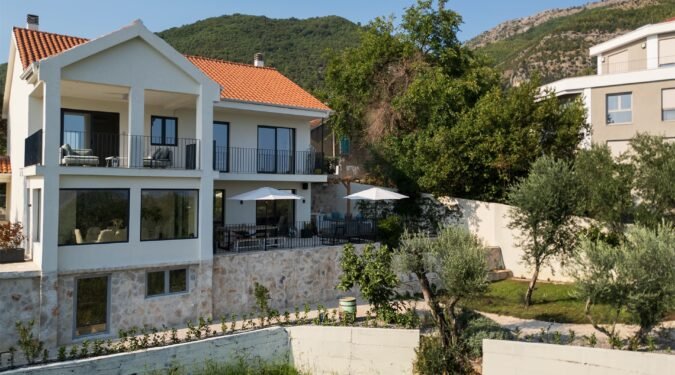
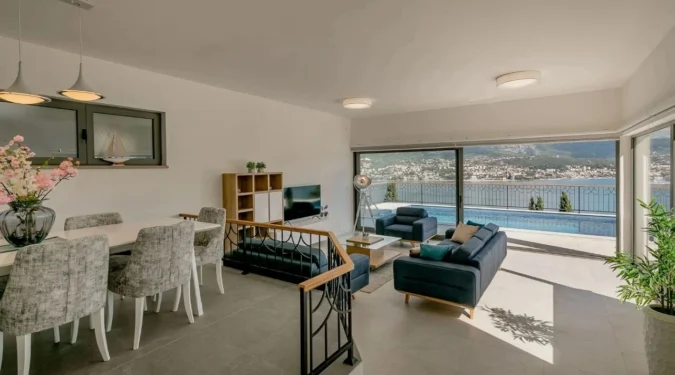
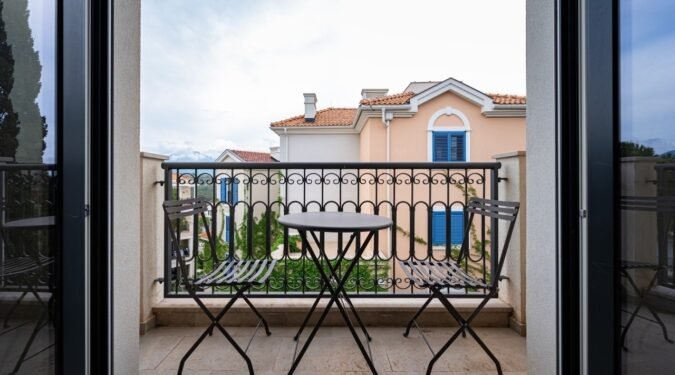

 €141,750

Latest Blogs
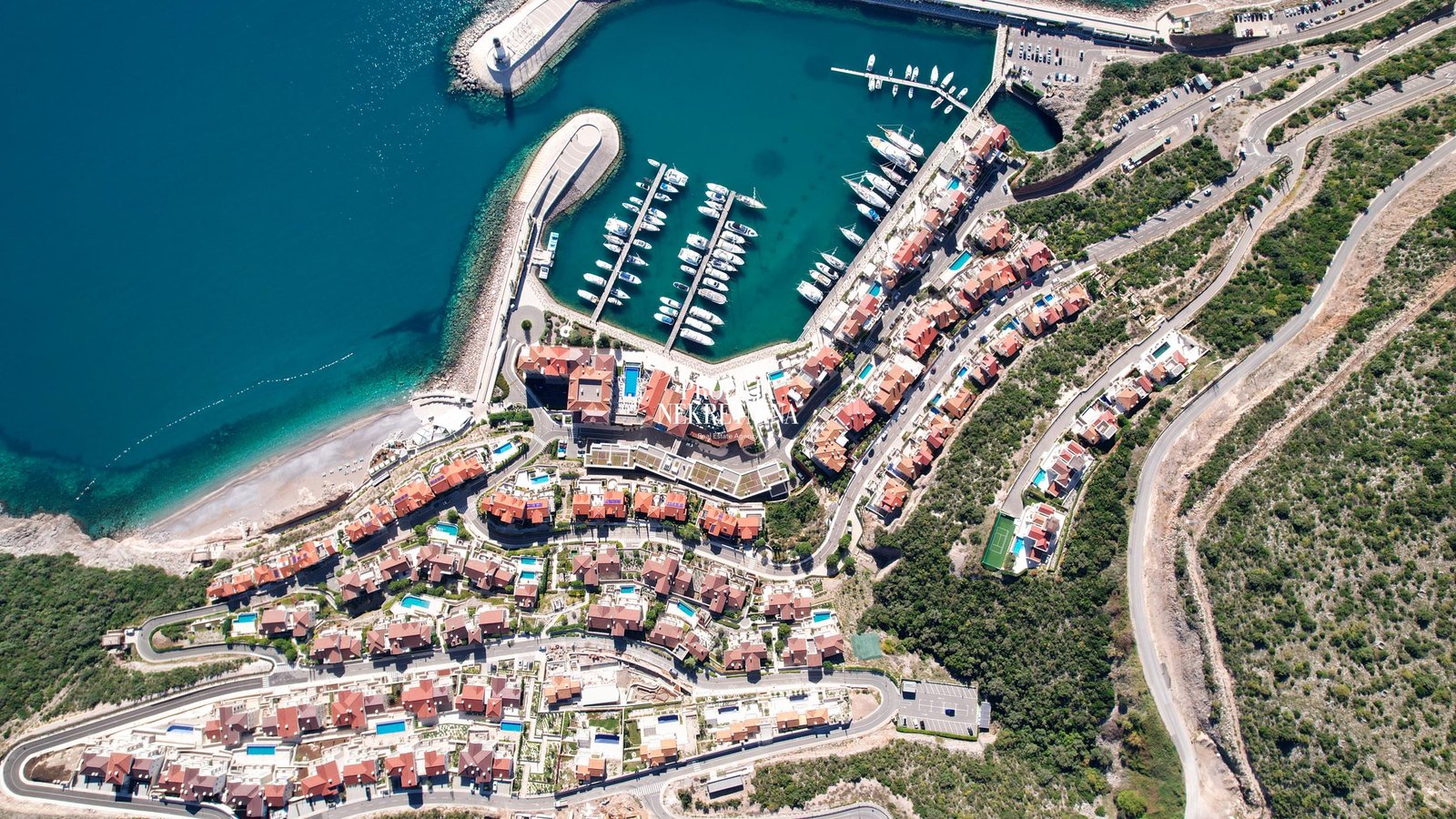
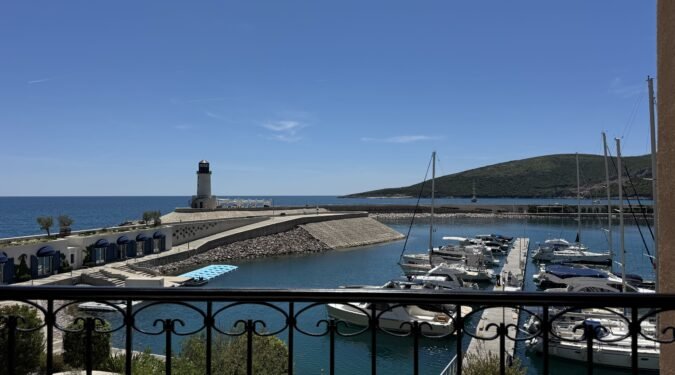
Luštica Bay has become one of the most prominent premium real estate markets in Montenegro. What began more than a decade ago as an ambitious master-planned development on the Luštica Peninsula has evolved into a fully functioning destination with a marina, hotels, restaurants, beaches, sports facilities and several distinctive residential neighbourhoods. For property buyers, one
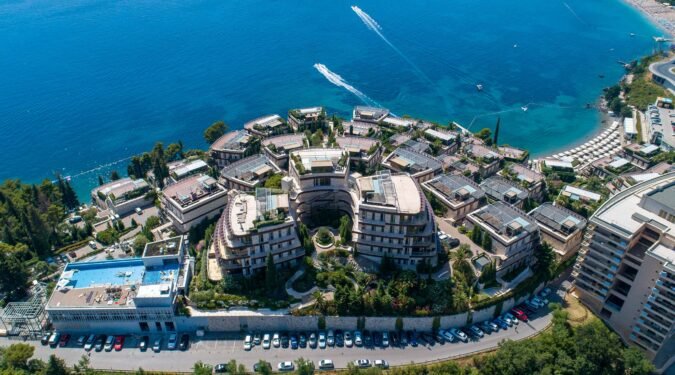
Are you considering relocating to the Adriatic coast? Purchasing property remains one of the most reliable pathways to obtaining a temporary residence permit in Montenegro. However, 2026 has introduced significant legislative updates, including a minimum financial threshold and stricter controls on ownership structures. In this comprehensive guide, we analyze the Law on Foreigners (Official Gazette

In 2026, Montenegro solidifies its position as one of Europe’s most attractive destinations for business relocation. It offers a unique combination of progressive corporate income tax, zero pension contributions for employers, and high administrative predictability. For service-based firms, the IT sector, and international structures, it is currently one of the most competitive jurisdictions in the
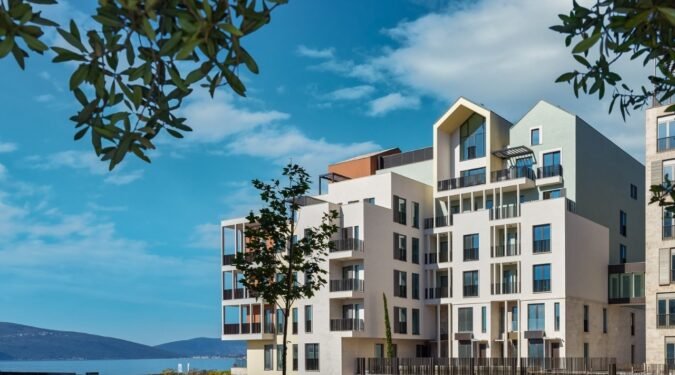
Between 2024 and 2026, Montenegro’s real estate regulations has undergone a series of changes that directly affect purchase costs, market transparency, and legal certainty. Some of these changes have increased the overall cost of buying property, while others have significantly reduced legal risks for buyers and brought more order to the market. Below is a
An Investor’s Perspective Ahead of EU Accession Real estate trends in Montenegro over the past decade clearly show strong and sustained growth, particularly along the coast. From 2015 to 2025, cities such as Budva, Kotor and Tivat have emerged as the country’s most attractive and valuable property markets.For investors, this growth is closely linked not
FAQs
The purchase and sale process usually follows these steps:
- Selecting a property (independently or through a real estate agency).
- Checking ownership and documentation – title deed, encumbrances, building and occupancy permits.
- Signing a preliminary agreement (not mandatory, but common), usually accompanied by a deposit.
- Signing the main sale and purchase agreement before a notary – notarization is mandatory.
- Payment of the purchase price and applicable taxes.
- Registration of the new owner in the Cadastre – only then does ownership become official.
The most common taxes are:
- Real Estate Transfer Tax (paid by the buyer, 3–6% depending on the property value).
- VAT (21%) – applies only when purchasing a new property directly from a developer; in this case, the transfer tax is not paid.
- Capital Gains Tax (15%) – paid by the seller on the profit if the property is sold within 5 years; after 5 years of ownership, an exemption usually applies.
In addition, there is an annual property tax, paid by the owner each year.
The sale and purchase agreement must be executed in the form of a notarized document; otherwise, it has no legal effect.
The contract must include:
- An exact description of the property (parcel number, size, address),
- Details of the buyer and the seller,
- The purchase price and payment method,
- A statement on whether the property is free of encumbrances,
- Allocation of taxes and transaction costs.
The notary verifies the identity of the parties, ownership records in the Cadastre, and the legal validity of the contract, and then performs the notarization. If a party does not speak the language, a certified court interpreter must be present.
No, hiring an agent is not mandatory, but it can be very helpful.
A licensed real estate agency can assist with:
- Finding a buyer or a suitable property,
- Verifying documentation,
- Negotiating the price,
- Organizing the notarization and required paperwork.
The agency commission is usually paid by the seller.
Yes, foreign nationals can purchase real estate in Montenegro:
- Apartments and flats – no special restrictions.
- Houses and land – certain restrictions may apply, especially for land; these are often resolved through company formation in Montenegro or by checking reciprocity agreements.
Property ownership may serve as grounds for obtaining temporary residence, usually granted for one year and renewable, provided certain conditions are met (proof of ownership, financial means, insurance, etc.).
In addition to the purchase price and taxes, you should budget for:
- Notary fees (depending on the property value, usually several hundred euros),
- Cadastre registration fees and issuance of title deeds (relatively modest),
- Court interpreter fees for foreign nationals who do not speak the language.
If necessary: lawyer’s fees, surveyor or appraiser costs, mortgage-related expenses, and later property insurance.
The key document is the Title Deed (Property Sheet) issued by the Cadastre, which shows:
- The registered owner,
- Any mortgages, legal disputes, or other encumbrances.
Always request an up-to-date title deed and, if anything is unclear, consult a notary or legal professional. The notary is required to recheck the Cadastre records on the very day the contract is signed.
After signing the sale contract and paying the applicable taxes:
- The notary or the buyer submits the application for registration to the Cadastre.
- The Cadastre receives the notarized contract, proof of tax payment, and personal documents.
- Once processed, the Cadastre issues a decision and registers the buyer as the new owner.
The buyer then receives a new Title Deed in their name – at that point, the ownership transfer is fully completed.
Only after registration in the Cadastre does the buyer become the formal and legal owner of the property.