
Property Price and Rental Trends (2015–2025) in Budva, Kotor, and Tivat – and Why EU Accession Further Strengthens Investor ROI Optimism
An Investor’s Perspective Ahead of EU Accession
Real estate trends in Montenegro over the past decade clearly show strong and sustained growth, particularly along the coast. From 2015 to 2025, cities such as Budva, Kotor and Tivat have emerged as the country’s most attractive and valuable property markets.
For investors, this growth is closely linked not only to tourism and limited supply, but also to Montenegro’s long-term path toward European Union membership—a factor that historically increases market stability and property values.
Montenegro-wide market overview (EU context)
Since opening EU accession negotiations in 2012, Montenegro’s real estate market has gradually shifted toward higher transparency, stronger foreign demand and rising prices. The most dramatic acceleration occurred after 2019.
- Average new-build prices nationwide rose from €1,100-1,200/m² (2019) to over €2,200/m² by 2025
- This represents nearly 100% growth in five years
Investor takeaway: Much of the “EU premium” is already visible, but formal EU accession typically expands the buyer base further—especially among EU citizens seeking legal certainty and long-term value.
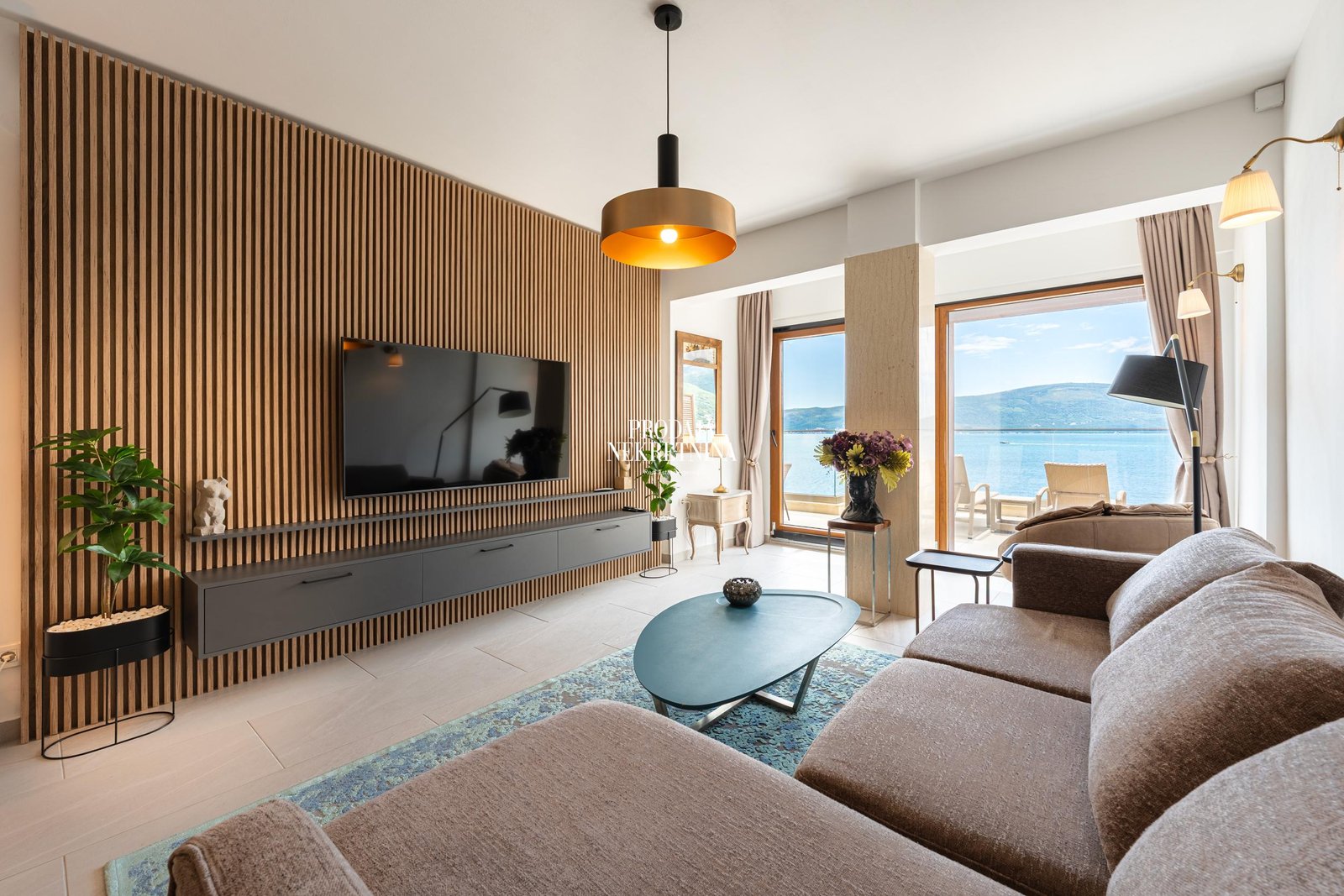
Budva – the market benchmark of the Montenegrin coast
Property prices
- 2015: ~€1,200-1,300/m²
- 2016: temporary drop below €1,000/m² (specific one-off factors)
- 2025: ~€2,500/m² average
- Luxury segment: €8,000-12,000/m² (prime waterfront and resort developments)
Rental market
- Pre-2019: €300-400/month (one-bedroom)
- 2022-2025: €500-700+ typical, with premium units significantly higher
- 2025 average rents are among the highest in Montenegro
Why investors like Budva: constant international demand, strong short- and long-term rental potential, and limited prime locations that support long-term capital appreciation.
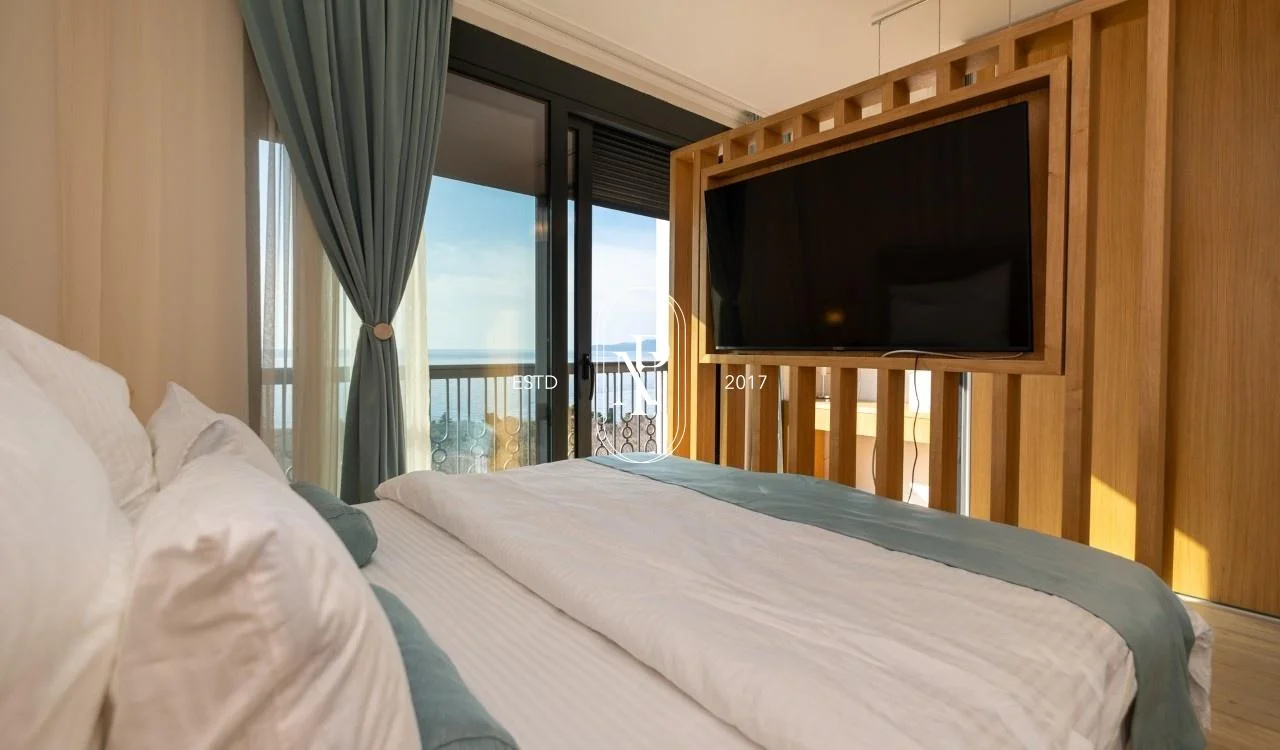
Kotor – UNESCO protection and scarcity value
Property prices
- 2015: ~€1,100-1,200/m²
- 2021: ~€1,990/m² (new-builds)
- 2025: ~€2,000-2,300/m² average
- Prime/heritage properties: €4,000-5,000+/m²
Rentals
- Long-term rentals typically range €600-800/month for quality one-bedroom apartments
Why investors like Kotor: UNESCO protection strictly limits new construction, creating long-term scarcity. In EU markets, such historic cities tend to maintain value even during broader market cycles.: UNESCO i stroga pravila gradnje praktično znače “kontrolisanu ponudu”. U takvom okruženju, kad potražnja raste (turizam + EU interes), vrijednost rijetkih nekretnina ima tendenciju da drži cijenu i kroz cikluse.
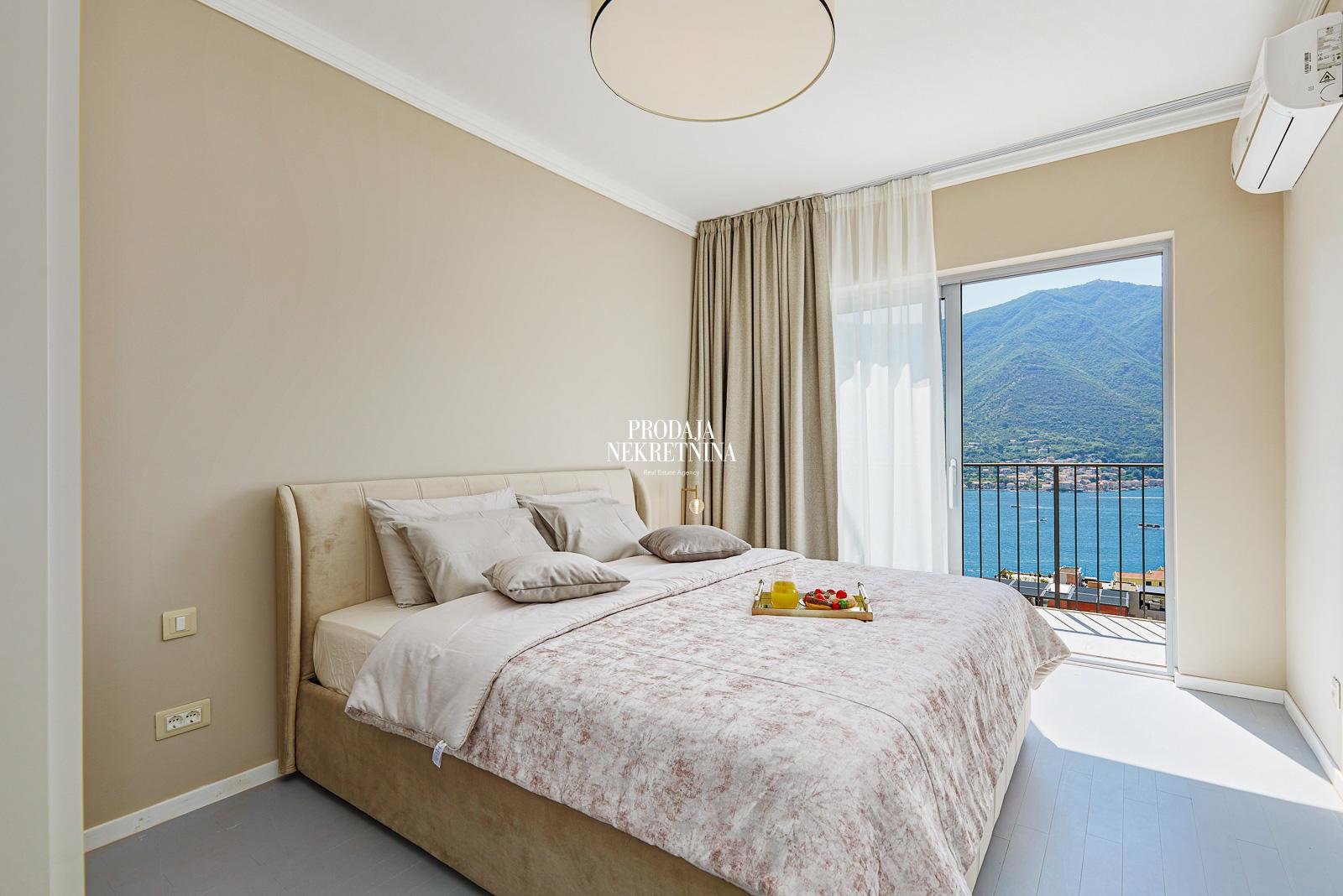
Tivat – luxury-driven growth and global positioning
Property prices
- 2015: ~€1,100-1,200/m²
- 2021: ~€1,870/m²
- 2025: ~€2,500/m² average
- Luxury developments: €7,000-8,000+/m², with top penthouses even higher
Rental market
- Average monthly rent: ~€1,000+
- Luxury residences: €1,500-2,500+ per month
Why investors like Tivat: high-end tourism, marina-centric lifestyle, year-round demand and strong international branding make Tivat one of the most future-proof luxury markets in the region.
Why EU accession matters for investors
From an investment standpoint, EU accession typically brings:
- stronger legal certainty and property rights
- easier access for EU buyers
- improved infrastructure and international visibility
- increased long-term liquidity
In many EU-accession countries, a significant portion of price growth occurred before formal entry—followed by steadier, more sustainable appreciation afterward. Montenegro appears to be following this pattern.
Conclusion: buying before the next phase
Real estate trends in Montenegro indicate that coastal markets have already achieved major growth—but still retain upside potential, particularly in prime and luxury segments.
- Budva offers liquidity and rental-driven returns
- Kotor provides scarcity and long-term value preservation
- Tivat leads the luxury and international investment segment
For investors looking to position themselves before Montenegro’s EU entry, these three cities remain the country’s strongest real estate markets—combining limited supply, international demand and long-term growth fundamentals.