
ROI of Luxury Real Estate on the Montenegrin Coast: Tivat, Budva, and Kotor
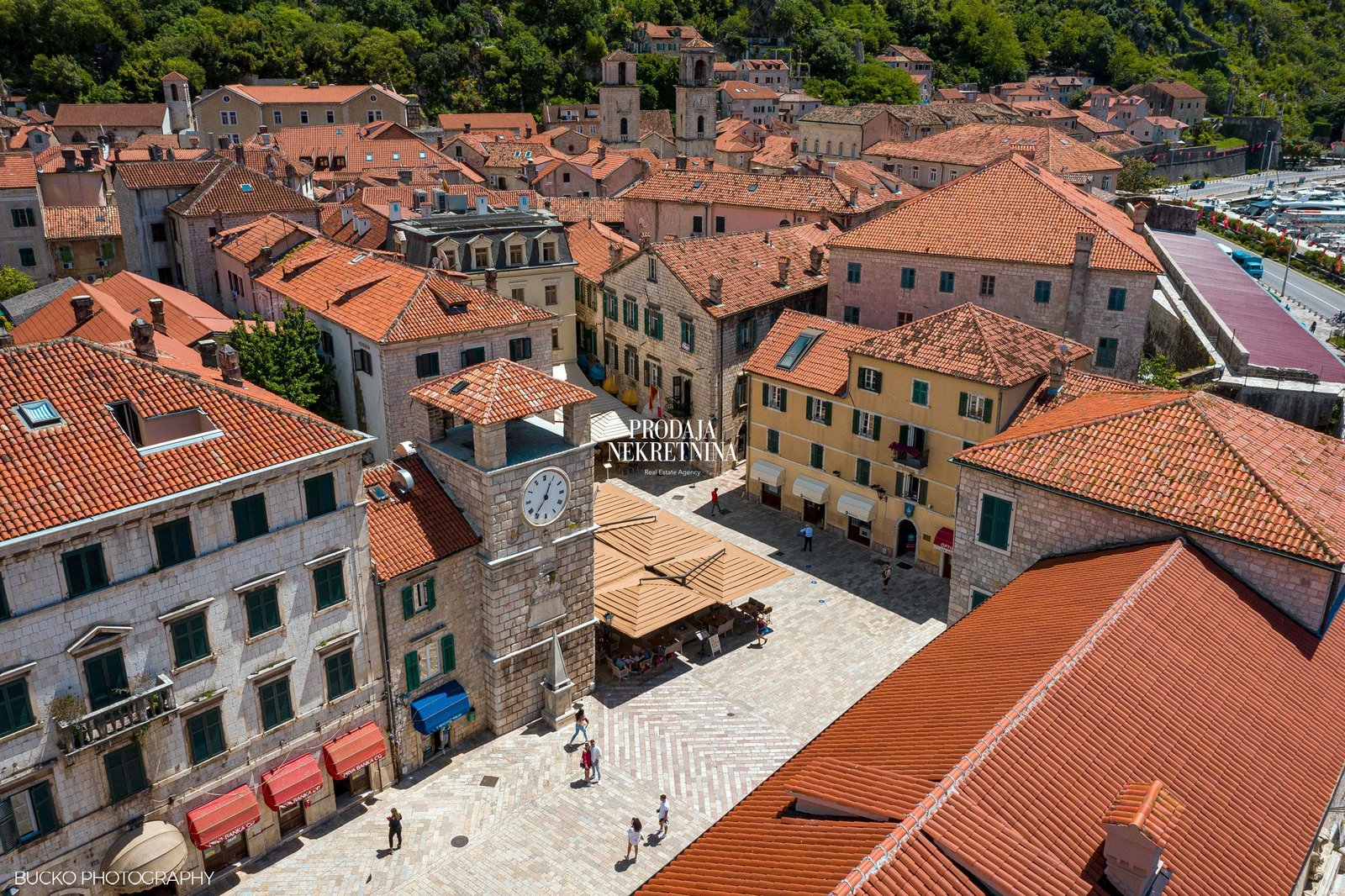
The Montenegrin coast – particularly Tivat, Budva, and Kotor – represents the most expensive and most dynamic segment of Montenegro’s real estate market.
This coastal corridor consistently achieves the highest price per square meter in the country, supported by stable demand driven primarily by foreign buyers and high-net-worth tourists.
For investors, the key question is not only purchase price, but the real return on investment (ROI) once all acquisition, operating, and rental costs are fully accounted for.
Luxury Property Prices & Market Context
Average prices for luxury new-build apartments (one-bedroom):
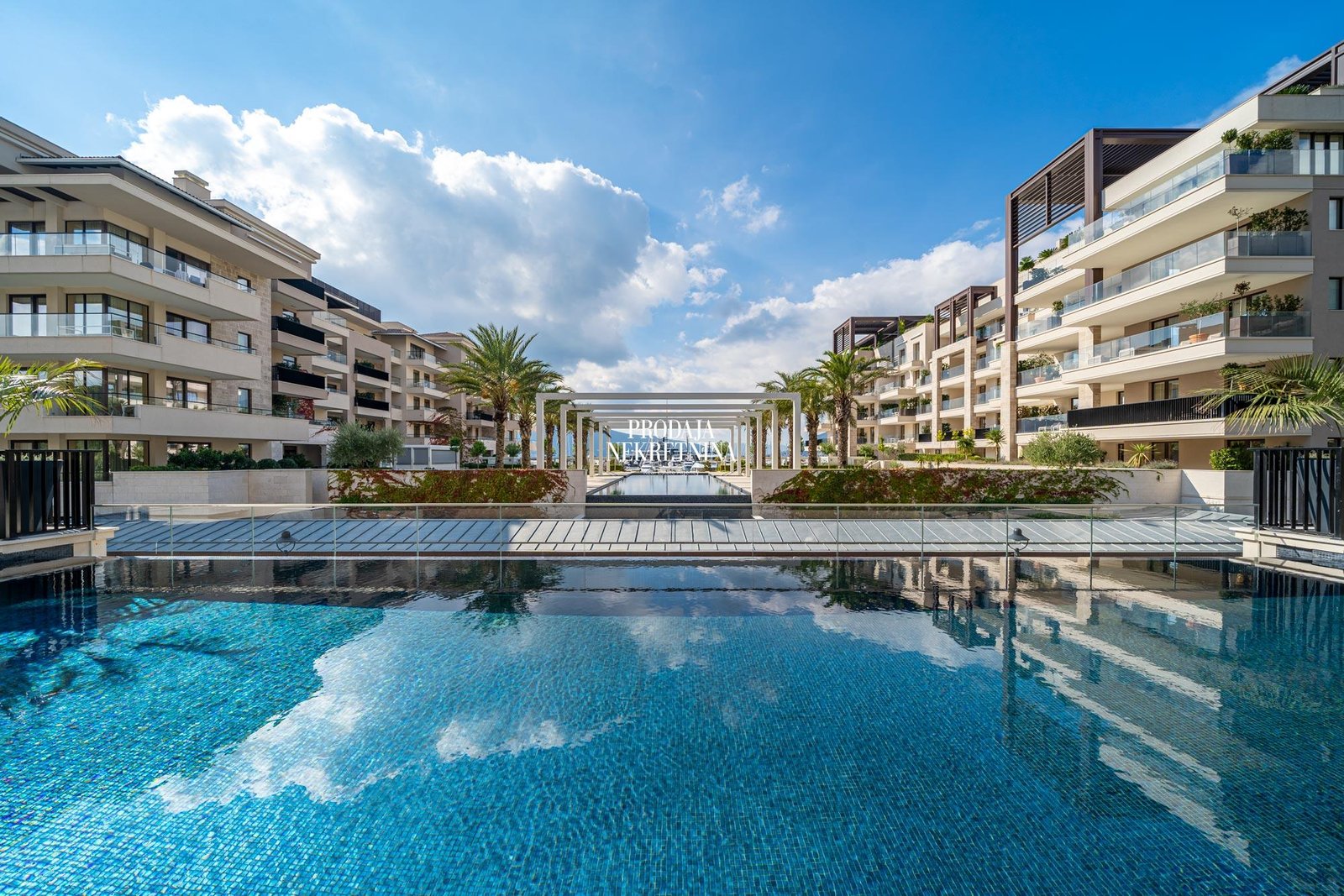
In ultra-premium developments and branded resorts, prices significantly exceed city averages:
- Luštica Bay: €10,000-12,000 / m²
- Porto Montenegro: €9,000-10,000 / m² (Synchro zone often exceeds €13,000)
- Portonovi: €9,000-10,000 / m², with premium villas priced substantially higher
This pricing range confirms that Montenegro’s luxury real estate does not behave like a mass market. Limited supply and consistent international demand keep prices elevated even during periods of lower transaction volume.
Short-Term (Tourist) Rentals: Income Potential vs. Real Costs
Short-term rentals via platforms such as Airbnb and Booking.com offer higher gross income potential, but also involve significantly higher operational costs.
Average Market Performance
- Annual occupancy: 50-60%
- Peak summer season (July-August): 80-90%
- Winter months: often below 20-25%
Average daily rates:
- Budva: ~€110
- Tivat: ~€130
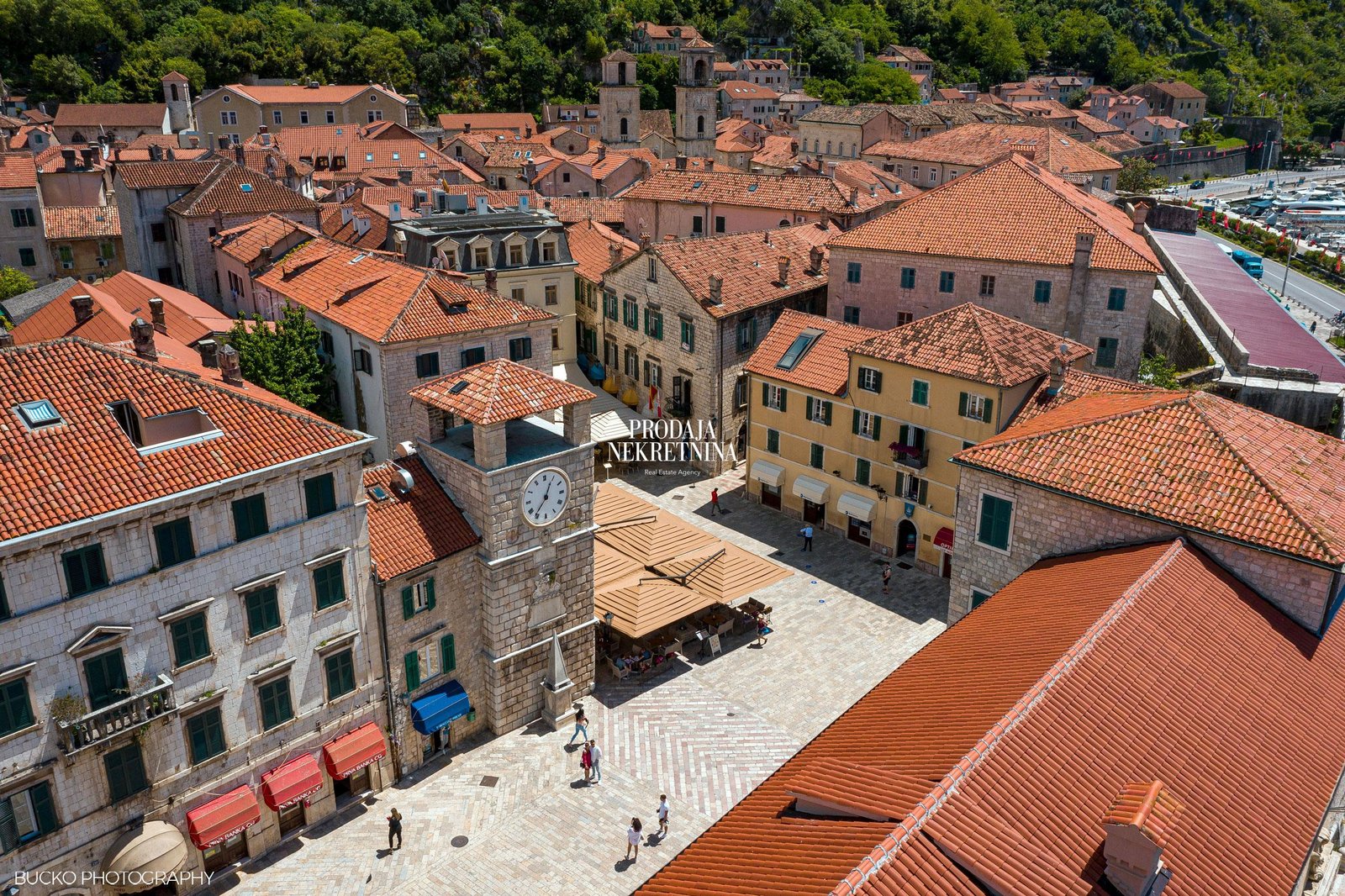
- Kotor: ~€120-125
All Short-Term Rental Costs That Directly Impact ROI
(This is the part investors often underestimate)
- Property management / rental agency
- Full-service management: 20-30% of gross revenue
- Includes marketing, guest communication, check-in/check-out, cleaning coordination, and maintenance
- Cleaning & laundry
- Apartments: €40-80 per turnover
- Villas / large units: €150-300 per turnover
- Annual total (apartments): often €1,500-3,000
- Utilities (if owner-paid)
- Electricity, water, internet, TV: €100-200/month during season
- Annual total: €800-1,500
- Tourist tax
- ~€1 per person per night (varies by municipality)
- Mandatory, paid through guest registration
- Rental income tax
- 15% on net income
- 30% standardized cost deduction allowed
- Effective tax: ~10-11% of gross income
- Annual property tax
- 0.25-1% of property value
- Example: €200,000 apartment → approx. €500-1,000/year
- Maintenance & depreciation
- Minor repairs, appliance replacement, inventory
- Typical range: €500-1,500/year
Bottom line:
A gross yield of 6-7% often translates into a net ROI of 4-5%, which remains solid-but realistic.
Long-Term Rentals: More Stability, Lower Upside
Long-term leasing involves fewer variables and lower operational costs.
Average monthly rents (upper segment):
- Budva: ~€1,370
- Tivat: ~€1,025
- Kotor: ~€880
Long-Term Rental Costs
- Agency fee (if applicable): 5-10%
- Annual property tax
- Minimal maintenance
- Rental income tax (15%)
Because costs are lower, the gap between gross and net yield is smaller.
Typical net ROI: 4-5% annually
How Property Type Affects ROI
Apartments (one- and two-bedroom)
The most ROI-efficient option. Easy to rent and most resilient to market shifts.
Penthouses
High prestige, but yields often fall below 4%. Primarily a capital appreciation play.
Luxury villas
Can generate strong peak-season income, but face:
- Limited rentable weeks
- High maintenance costs
ROI is usually calculated through a combination of personal use + long-term price appreciation.
Location-Based ROI Differences
Tivat
Highest entry prices and prestige. Slightly lower rental ROI, but excellent capital growth potential.
Budva
Best price-to-income ratio. Strongest summer season, but also the most seasonal market.
Kotor
Stable demand and a longer shoulder season (spring/autumn). A balanced mix of yield and investment security.
Market Outlook for 2025-2026
Based on current macro and micro trends:
- Tourism remains strong, with continued growth in the luxury segment
- Foreign buyers continue to dominate coastal demand
- New construction slightly increases supply, but not enough to pressure the luxury segment
- Luxury property prices: stable to moderate growth
- ROI: steady and predictable, without extreme fluctuations
A price correction in the luxury segment is not expected, even in a weaker global economy – this market increasingly behaves as a safe-haven asset class.
Final Takeaway
Luxury real estate in Tivat, Budva, and Kotor can deliver an attractive and relatively secure ROI, but only when all costs are realistically calculated.
Smaller luxury apartments in prime locations continue to offer the best returns, while villas and penthouses provide prestige and long-term capital appreciation, with more modest ongoing yields.