
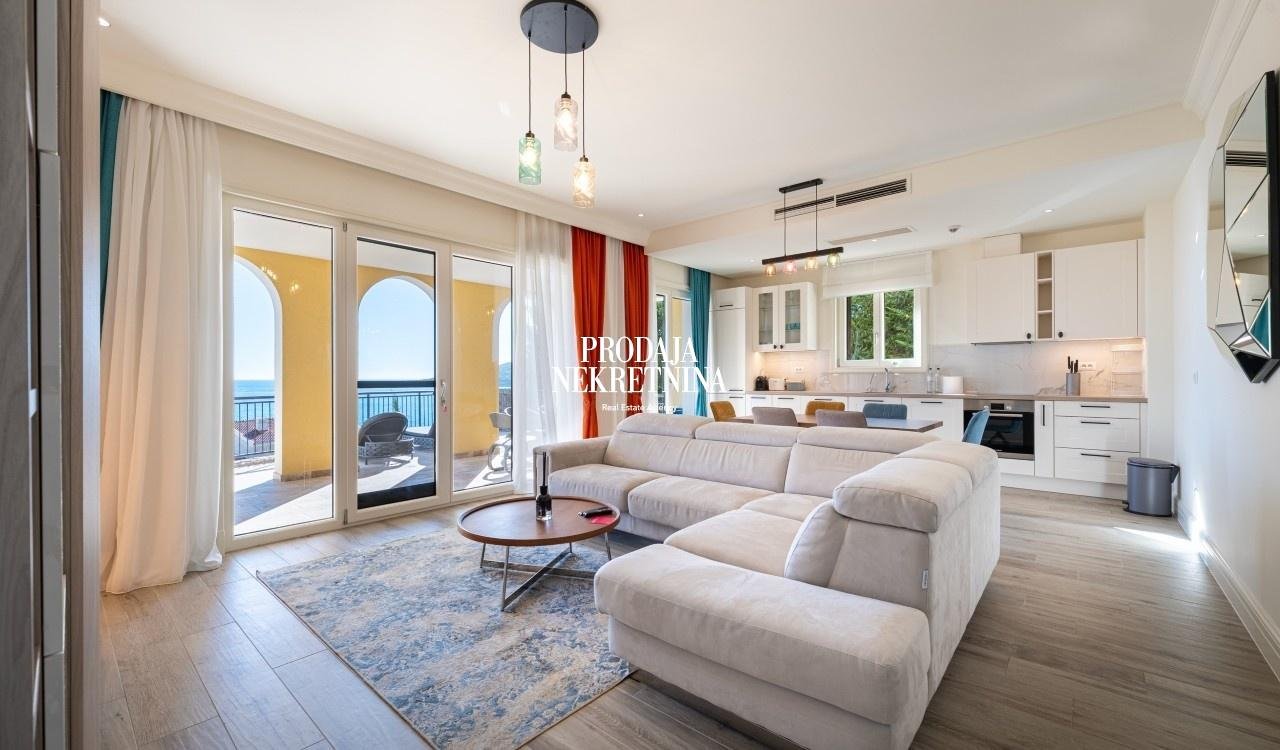
Complete Guide 2025: How the Property Buying Process Works in Montenegro
Buying property in Montenegro has become one of the most sought-after topics in recent years, both among local buyers and international investors. A stable currency (EUR), solid legal framework, strong tourism growth, and an increasingly dynamic real estate market make Montenegro an attractive destination for living, holiday homes, and long-term investments.
This guide walks you through the entire property-purchase process in Montenegro, step by step, without complicated terminology or hidden costs. The information applies equally to both local and foreign buyers.
1. Who Can Buy Property in Montenegro?
Local Citizens
Montenegrin citizens can freely purchase:
- apartments
- houses
- construction land
- agricultural land
- commercial property
The process is straightforward and without restrictions.
Foreign Citizens
Foreigners can purchase almost all types of real estate except:
- agricultural land without a building
- forest land
- plots located in protected zones or close to the state border
Good news: a foreign citizen can purchase a house with a plot of up to 5,000 m², even if part of the land is classified as agricultural.
For all types of land that fall under restrictions, buyers often choose to register a Montenegrin company, which removes all limitations and allows the purchase of any land category.
2. Step-by-Step Process of Buying Property in Montenegro
Step 1: Search and Choose the Ideal Property
Buyers typically begin their search through:
- real estate agencies
- online property portals
- direct contact with developers
At this stage, it is important to check the basic documentation, urban planning status, access roads, and development potential of the area.
Step 2: Negotiating Price and Terms
Once the right property is found, the next step includes agreeing on:
- purchase price
- payment schedule
- deposit amount
- handover date
A licensed real estate agent can significantly streamline this process, especially when negotiating with foreign sellers or developers.
Step 3: Preliminary Agreement (Optional)
A preliminary agreement is signed to reserve the property. Buyers usually place a 5-10% deposit at this stage.
Important: never pay a deposit in cash. Use a notary escrow account, an attorney, or a bank escrow service for full security.
Step 4: Legal Due Diligence
Before signing the main sale agreement, it is crucial to verify:
- Property Deed (ownership and encumbrances)
- existing mortgages or ongoing legal disputes
- building permit and occupancy permit
- whether physical condition matches documentation
- developer reliability (for new constructions)
This step is typically handled by an attorney and is the best protection against potential risks.
Step 5: Signing the Sale Agreement at the Notary Office
The contract is signed exclusively in front of a public notary.
The notary confirms the identity of all parties and ensures that the transaction complies with the law.
For foreign buyers, the presence of a certified court interpreter is mandatory.
Step 6: Payment of the Purchase Price
Payment is executed via bank transfer. For international transactions, pay attention to:
- SWIFT transfer fees
- bank commissions (often 0.5-1%)
- currency conversion costs
In some cases, the bank may require a mortgage registration – this involves signing an additional pledge agreement.
Step 7: Real Estate Transfer Tax
Buyers pay the following property transfer tax rates:
- 3% on properties up to €150,000
- 5% on properties from €150,000 to €500,000
- 6% on properties over €500,000
Exception: when buying new construction directly from a developer, this tax is not applied because VAT is already included in the sale price.
Step 8: Registration of Ownership in the Cadastre
The notary submits the contract to the Cadastre electronically.
The registration process typically takes up to 60 days.
Upon completion, the buyer receives an official Ownership Decision.
Step 9: Handover of the Property
The final step includes:
- taking possession and receiving the keys
- checking the condition of the property
- transferring utility meters (electricity, water)
- updating all accounts under the new owner’s name
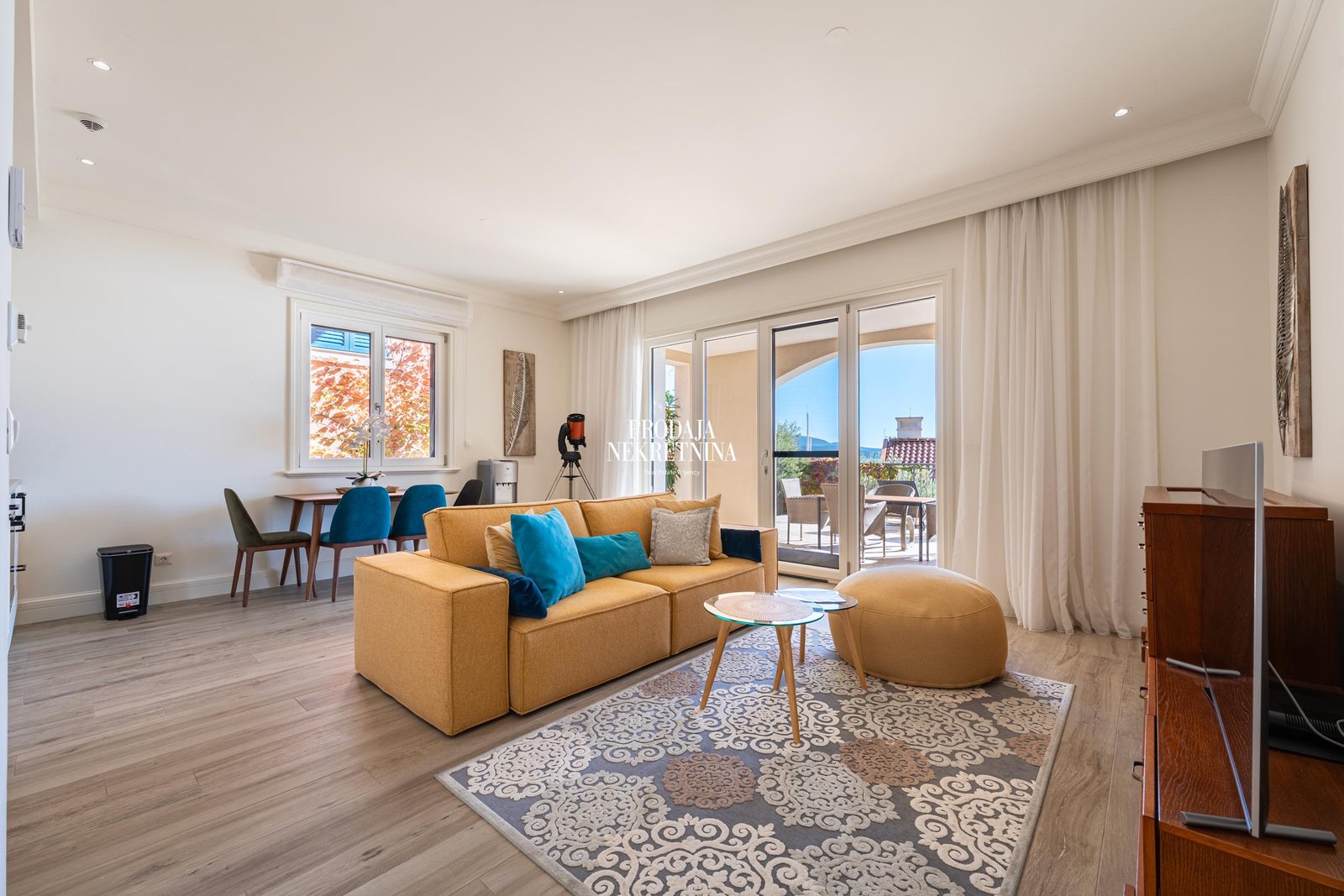
3. What Are the Costs of Buying Real Estate in Montenegro?
| Cost | Amount |
|---|---|
| Real estate transfer tax | 3-6% (on resale properties) |
| Notary fees | €300-€5,000 (depending on property value) |
| Court interpreter | approx. €50/hour |
| Administrative fees | €20-€50 |
Tip: when buying new construction, overall costs are significantly lower because there is no transfer tax.
4. What Should You Check Before Purchasing?
- Is the seller the legal owner?
- Are there any liens, mortgages, or disputes?
- Is the property legally constructed?
- Do size, layout, and condition match the documents?
- Is the developer reputable (in case of new builds)?
Thorough due diligence ensures a safe and transparent transaction.
5. Buying Land in Montenegro: Key Specifics
- Foreigners may purchase only construction land.
- Agricultural land cannot be purchased unless a house already exists on the plot.
- By establishing a Montenegrin company, foreign buyers can purchase all land categories without restrictions.
Before planning construction, check:
- the detailed urban plan
- construction parameters and zoning
- access roads
- availability of infrastructure (electricity, water, sewage)
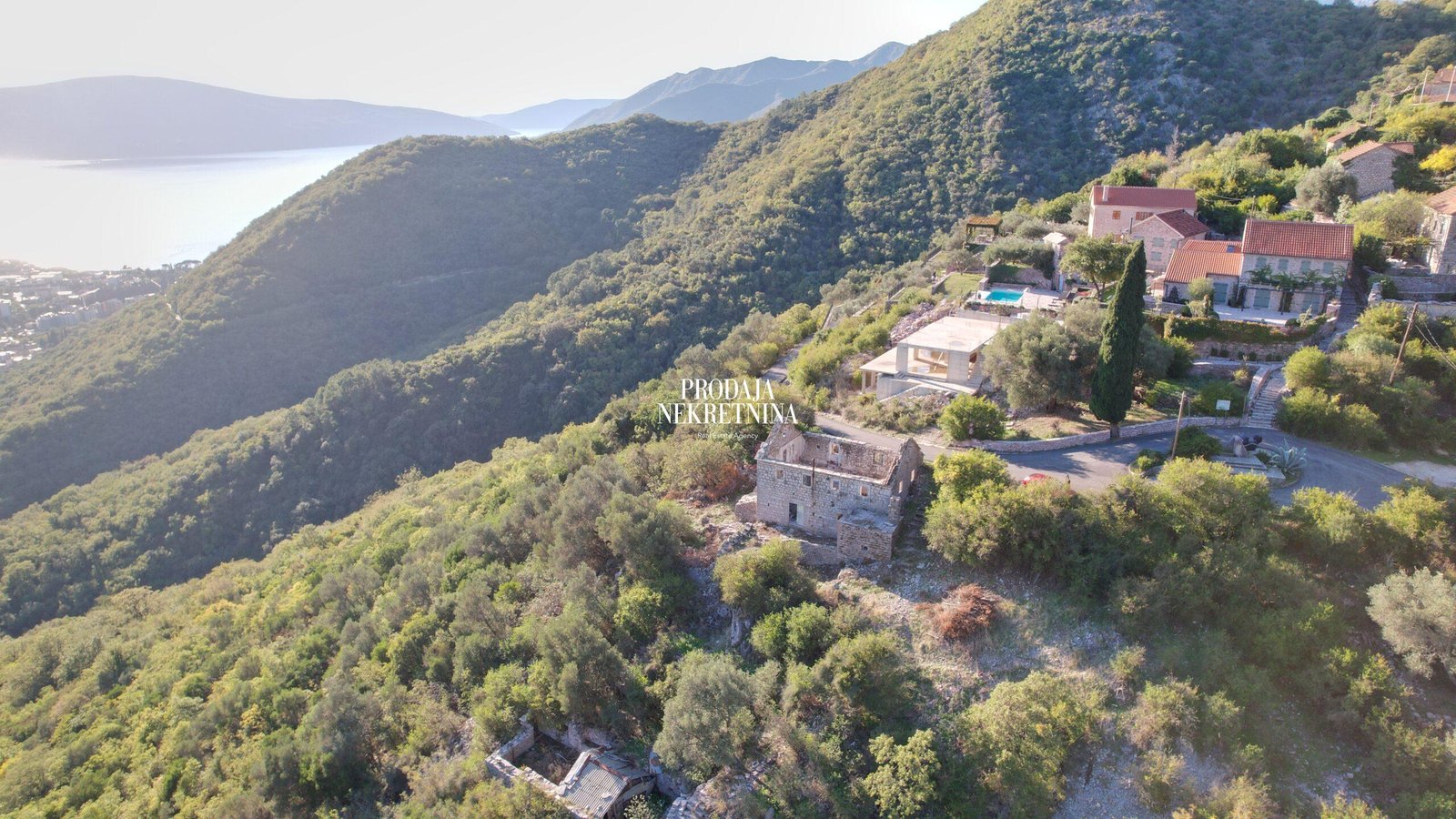
Conclusion: Is Buying Property in Montenegro Worth It?
Montenegro offers everything a strong investment or dream home requires:
- a stable and growing real estate market
- a secure legal environment
- high-demand coastal and inland locations
- excellent long-term value appreciation
With proper preparation, professional guidance, and clear documentation, buying property in Montenegro is a safe, transparent, and profitable decision.
Need Expert Assistance?
If you need help finding the perfect property or navigating the entire purchase process, our team is here to support you every step of the way.