
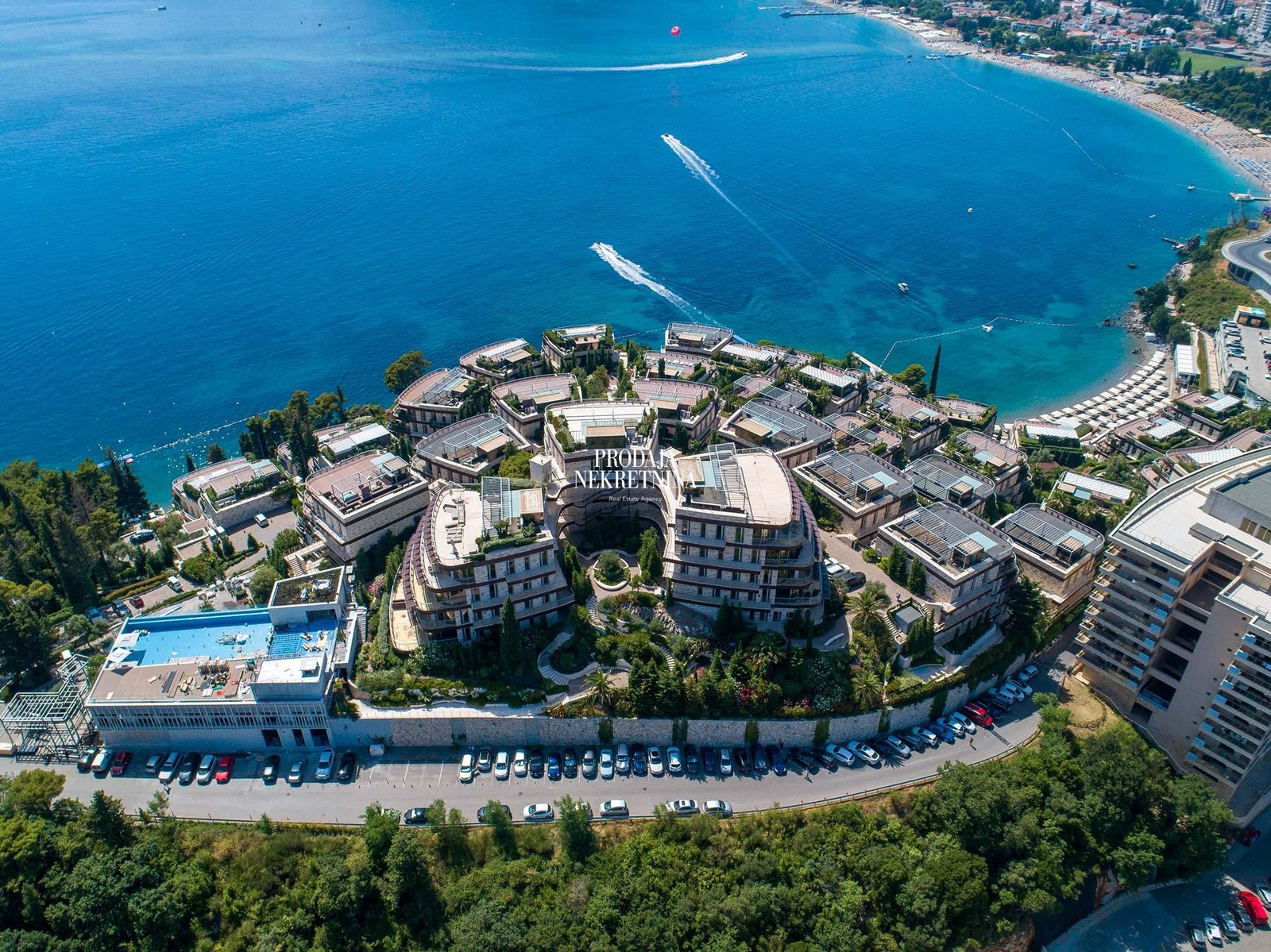
Residency in Montenegro via Real Estate: The Ultimate 2026 Guide
Are you considering relocating to the Adriatic coast? Purchasing property remains one of the most reliable pathways to obtaining a temporary residence permit in Montenegro. However, 2026 has introduced significant legislative updates, including a minimum financial threshold and stricter controls on ownership structures.
In this comprehensive guide, we analyze the Law on Foreigners (Official Gazette of Montenegro 3/2026) and share practical insights on how to secure your status without administrative hurdles.
1. The 2026 Shift: The €150,000 Threshold and Tax Assessment
As of January 9, 2026, a minimum investment threshold has been implemented for residency based on property ownership.
- Tax Assessment vs. Purchase Price: The biggest trap for investors is relying solely on the price stated in the sales contract. For the Ministry of Interior (MUP), the only valid proof of value is the Real Estate Transfer Tax Assessment, where the tax base must be ≥ €150,000.
- Expert Advice: If you buy a property for €152,000, but the tax authorities value it at €148,000, you will fail to meet the legal residency requirement. We recommend targeting properties with a contract price at least 10% above the threshold to buffer against any lower official valuations.
- Exemptions: This threshold does not apply to citizens of the EU, Iceland, Liechtenstein, Norway, and Switzerland.
2. Eligible Property Types (Article 56)
Not all real estate qualifies for residency. According to the law, the property must be registered as:
- Residential: Family houses, villas, apartments, or holiday homes.
- Commercial: Catering facilities, residential-commercial units, or office spaces.
The “Golden Half” Rule for Co-ownership
If you are buying property with partners, the law is clear: a residence permit is granted to a co-owner only if their ownership stake is at least 1/2 (50%). If three friends purchase a luxury villa together, none will qualify for residency because no single person holds at least a 50% share.
3. Foreign Ownership Restrictions: What You Cannot Buy
Based on the official stance of the Montenegrin Chamber of Notaries, there are categories of land that foreign nationals (non-EU/EEA) cannot legally own:
- Agricultural Land and Forests: This is the most common mistake when purchasing “plots” or “building land.”
- Properties on Islands or in Border Zones: Specific security zones are restricted.
- Natural Resources and Cultural Heritage Sites: These are protected by the state.
4. The Process: From Purchase to Residency Card
Securing your permit requires aligning property law with immigration regulations.
Step 1: Legal Due Diligence
Verify the Title Deed (List nepokretnosti). It must be free of encumbrances (liens) that threaten ownership, and the building must be registered with a valid occupancy permit (upotrebna dozvola).
Step 2: Purchase and Tax Determination
Once the contract is notarized and the transfer tax is processed, you will receive the Tax Assessment Decree. This document is your “entry ticket” for the residency application.
Step 3: Application for Residency (Article 43 General Conditions)
Alongside proof of ownership, you must provide:
- Proof of Funds: A bank statement showing sufficient funds for living expenses.
- Health Insurance: A valid policy covering Montenegro.
- Clean Criminal Record: A certificate from your home country (translated by a certified court interpreter in Montenegro).
5. Frequently Asked Questions (FAQ)
Does property residency grant me the right to work? No. This permit is strictly for “use and disposal of real estate.” Legal employment or business operation requires a separate Work and Residence Permit.
Can my family join me? Yes. Once the property owner is granted residency, the spouse and minor children can apply for residency under “Family Reunification.”
The Path to Permanent Residency? You must hold a temporary residence permit for 5 consecutive years. The Ministry typically decides on permanent residency applications within 6 months.